
A scientific day dedicated to liquid biopsy in oncology
On June 4, 2026, Gustave Roussy will host in Paris a scientific day dedicated to liquid biopsy, an innovative approach that is transforming cancer diagnosis and monitoring.
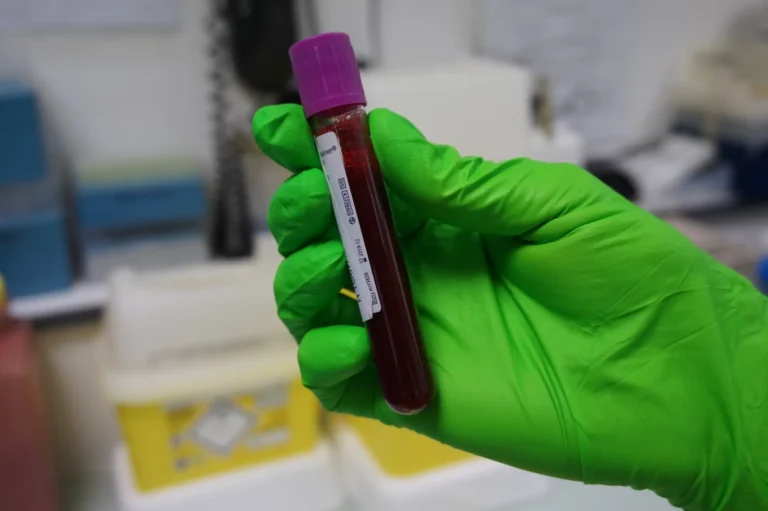
This technique relies on a simple blood draw and makes it possible to analyze circulating tumor fragments in the body, without the need for a conventional biopsy (tissue sampling). It therefore offers a promising way to monitor disease progression and facilitates treatment adaptation.
This event will bring together clinicians, researchers, and biologists to discuss current applications and future perspectives of liquid biopsy, with a clear objective: to better integrate this tool into patient care pathways.
Prof. Paul Hofman involved in early cancer detection
On this occasion, Prof. Paul Hofman will speak on the topic of early cancer detection, a major challenge for improving patient management.
His presentation will be part of a session dedicated to early-stage cancers, where liquid biopsy opens new perspectives, particularly for detecting the disease earlier or identifying minimal residual disease (MRD)—that is, the presence of remaining cancer cells after treatment, often undetectable with standard examinations.
Prof. Hofman will also serve as a moderator during the event, actively contributing to scientific discussions among experts.
A key tool for cancer monitoring, particularly in respiratory diseases
Liquid biopsy is now emerging as an essential tool in oncology, especially for metastatic cancers (cancers that have spread throughout the body).
It enables in particular:
- the identification of tumor genetic alterations;
- the monitoring of treatment resistance;
- a faster evaluation of therapy effectiveness through the analysis of ctDNA (circulating tumor DNA in the blood).
These advances are particularly important in respiratory health, especially in lung cancer, where precise and responsive monitoring is crucial to adapt treatments.
Promising prospects for personalized medicine
Beyond advanced stages, research is exploring new applications of liquid biopsy in early cancers. Innovative approaches such as fragmentomics (analysis of tumor DNA fragments to better characterize the disease) or MRD could transform patient monitoring and help anticipate relapse.
This scientific day will provide an opportunity to share results from recent clinical trials and real-world feedback, while also addressing the technical and organizational challenges related to integrating these innovations into medical practice.
A commitment aligned with IHU RespirERA’s priorities
The participation of Prof. Paul Hofman in this event highlights IHU RespirERA’s commitment to developing and disseminating innovations in respiratory health.
By contributing to high-level scientific exchanges, the institute actively supports improvements in early diagnosis and monitoring of respiratory diseases, for the benefit of patients.
