
A presentation at the heart of current challenges in thoracic oncology
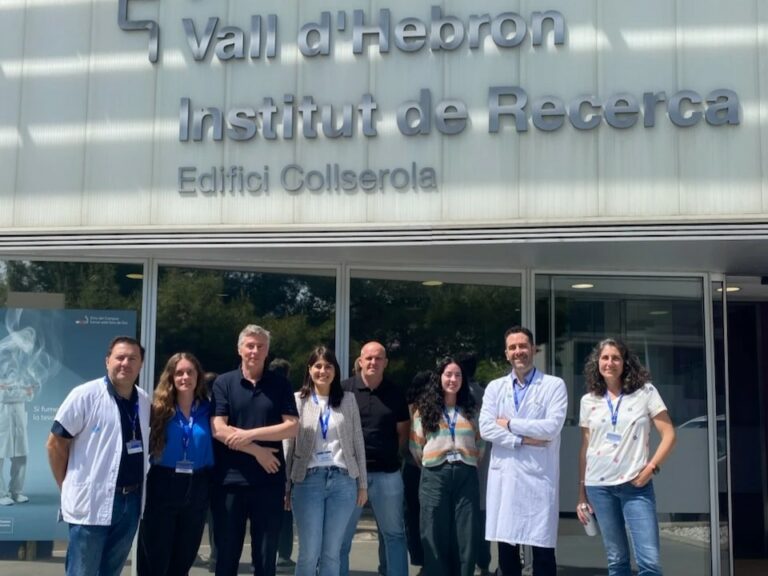
On April 22, Prof. Paul Hofman took part in a seminar organized by Cancer Area in Barcelona, focused on the transformation of thoracic pathology. During his presentation, he highlighted the profound changes in this field, which is now essential in the management of lung cancer.
Once primarily based on the microscopic analysis of tissues, pathology now relies on molecular profiling (the analysis of tumor genetic characteristics), which has become indispensable for refining diagnoses and guiding treatment decisions.
A central role in personalized medicine
During his talk, Prof. Hofman emphasized the growing role of thoracic pathologists in personalized medicine. Their work now goes beyond diagnosis, integrating both morphological and molecular data to address diagnostic, prognostic, and therapeutic challenges.
The use of advanced technologies, such as next-generation sequencing (NGS, a technique that enables the rapid analysis of numerous genetic mutations) and liquid biopsy (the analysis of tumor fragments in the blood), now makes it possible to tailor treatments more precisely.
These areas of expertise are notably applied in “molecular tumor boards” (multidisciplinary meetings where complex cases are discussed based on molecular data), highlighting the importance of collaboration between specialists.
The contribution of technological innovations
The seminar also provided an opportunity to explore the impact of digital and computational pathology (the use of digital tools and artificial intelligence to analyze medical data). These innovations contribute to improved data interpretation and increasingly targeted patient care.
Prof. Hofman also pointed out that these developments are accompanied by changes in both clinical practice and training, in order to prepare pathologists for future challenges.
Expertise driven by IHU RespirERA
Through this presentation, Prof. Paul Hofman demonstrated IHU RespirERA’s commitment to innovation in respiratory health. His work, particularly on biomarkers and liquid biopsy, contributes to improving the understanding of lung cancers and optimizing therapeutic strategies.
