
In a critical review, Professor Paul Hofman, Director of RespirERA Institute, and Professor Umberto Malapelle examine how liquid biopsy testing could be implemented across a wider range of care centres. They identify the expected benefits as well as the scientific, technical and economic requirements for such decentralisation.
Making testing more accessible without compromising reliability
Should liquid biopsy testing remain concentrated in a small number of specialised platforms, or could it be performed in a wider range of hospital laboratories? This is the question examined by Professors Paul Hofman and Umberto Malapelle in a critical review focused on thoracic oncology.
Their article does not present a new diagnostic test or the results of a clinical trial. Instead, it analyses an organisational model designed to bring certain molecular analyses closer to the centres caring for patients with lung cancer.
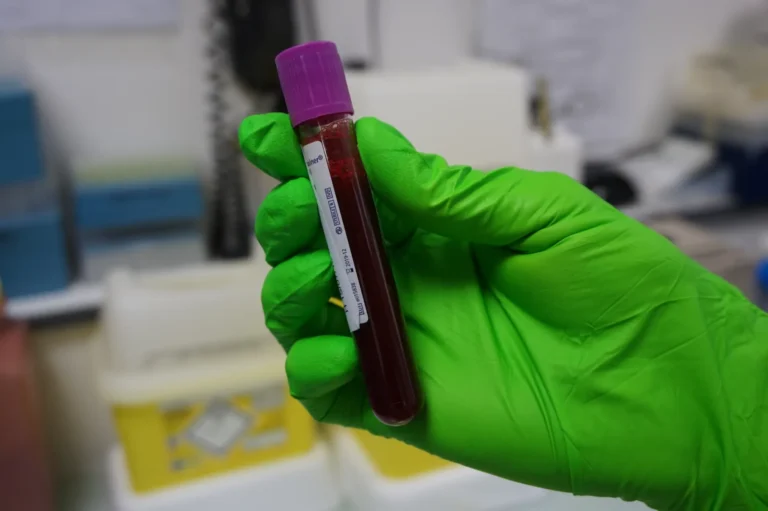
Liquid biopsy involves searching blood or other biological fluids for tumour-derived material that can provide information about a tumour. In thoracic oncology, analysis of circulating tumour DNA can notably help identify certain molecular alterations associated with targeted treatment options.
This approach is currently used in specific situations, particularly for certain advanced or metastatic non-small cell lung cancers. It can complement tissue biopsy when a tissue sample cannot be obtained, is insufficient or is difficult to repeat.
Reducing turnaround times and facilitating collaboration
Some liquid biopsy samples are currently sent to national or commercial testing platforms. This centralised model brings together specialised equipment and expertise, but transporting and processing samples externally can lengthen turnaround times.
Performing certain analyses within the care centre could provide results more quickly. For targeted tests involving a single gene, the authors indicate that, under appropriate conditions, a result can be obtained within one day.
Proximity also facilitates collaboration between oncologists, pathologists, biologists, laboratory technicians and bioinformaticians. These professionals can interpret molecular data more quickly alongside the other clinical and biological information available.
This organisational model could therefore help improve access to molecular testing. However, the authors emphasise that greater proximity alone does not guarantee equitable access or better patient care.
Decentralisation requires careful preparation
Not all liquid biopsy analyses can be performed in the same way or in every laboratory. Some molecular alterations are more difficult to detect in blood, particularly when the amount of circulating tumour DNA is low. Liquid biopsy therefore does not systematically replace tissue biopsy.
The reliability of results also depends on controlling every stage of the process, from blood collection and preparation to molecular analysis, data processing and interpretation. Insufficiently harmonised procedures may increase the risk of false-negative or false-positive results.
The laboratories involved need trained teams, bioinformatics expertise and a quality control system. They must also participate in external quality assessment schemes and follow an accreditation process, particularly under the ISO 15189 standard in Europe.
Decentralisation also creates human and economic constraints. It increases workloads, requires suitable equipment and makes regular updates to techniques and gene panels necessary.
Building a network of local centres and expert laboratories
The article does not simply contrast a centralised model with an entirely local one. The most appropriate organisation depends on each institution’s testing volume, resources and expertise.
For centres processing only a small number of samples, a network-based model may offer a solution. Local centres could manage certain stages or tests, while the most complex analyses would remain within expert laboratories.
The authors identify several ways to support this development: automating certain technical stages, strengthening training, expanding external quality assessments, harmonising molecular reports and developing appropriate funding models.
Potential new applications of liquid biopsy, particularly in early-stage lung cancer, remain research perspectives. They still need to be evaluated and supported by robust scientific evidence.
A publication co-authored by RespirERA Institute
This critical review is co-authored by Professor Paul Hofman, Director of RespirERA Institute, and Professor Umberto Malapelle, a researcher in the Department of Public Health at the University of Naples Federico II.
The publication received support from RespirERA Institute through the France 2030 programme, the European SPARC project, FHU OncoAge and the COALA network.
By defining the benefits, limitations and requirements of decentralisation, this publication contributes to the development of an organisational model that could bring molecular testing closer to care centres while maintaining the quality standards required for clinical use.
➡️ Read the full article: The de-centralization perspective for liquid biopsy use in thoracic pathology the way to go. Critical Reviews in Oncology Hematology. 2026
 Français
  English (UK)