
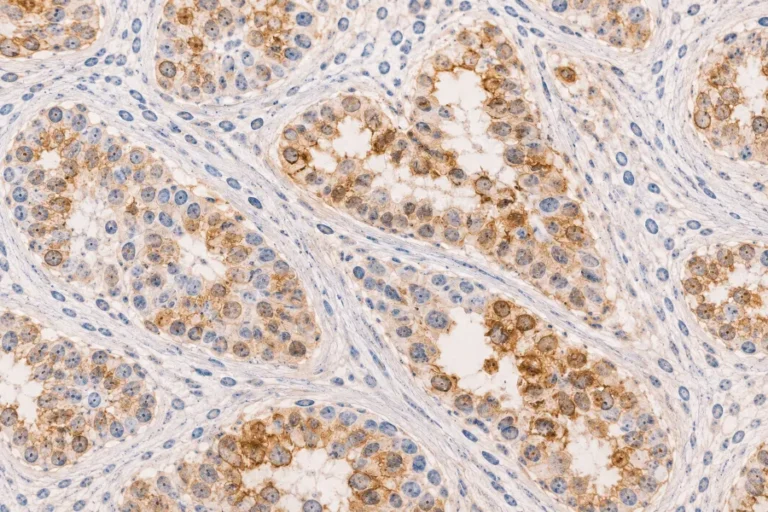
A study published on September 23, 2026, in Modern Pathology, involving Professor Paul Hofman, Director of the RespirERA Institute, highlights the value of complementing genetic tumor analysis with testing for the MTAP protein in tissue samples. This approach helps clarify findings that would otherwise remain uncertain.
MTAP loss: a characteristic worth identifying
In some cancers, the MTAP gene is lost, which can lead to the absence of the corresponding protein in tumor cells. Researchers are interested in this feature because it serves as a biomarker (a biological characteristic that can provide information about a disease) for treatment strategies currently in development.
Accurately identifying these tumors is therefore important for precision medicine research, which seeks to take the biological characteristics of each cancer into account.
Two methods to clarify the same finding
The researchers examined genetic data from 2,409 tumors as part of the EXOMA2 study. These data came from exome sequencing (reading the parts of DNA that contain instructions for making proteins).
For some samples, they also tested for the MTAP protein using immunohistochemistry (a technique that uses antibodies to detect a protein in a tissue sample). The aim was to compare information obtained at the gene and protein levels.
Clarifying uncertain genetic findings
The two methods produced broadly consistent results when the genetic findings were clearly interpretable. Tissue analysis also allowed some tumors with ambiguous genetic findings to be reclassified. In some of these cases, an additional DNA analysis confirmed the loss of the gene.
By providing a more precise understanding of these tumors, this approach could help improve patient selection for treatment strategies currently in development. The findings concern the reliability of tumor identification and do not demonstrate the effectiveness of a treatment.
 Français
  English (UK)